
Consumer watch
What a face serum can actually change — and the four ingredients worth paying for
The category is worth billions and the labels have become almost unreadable. Here is what the evidence supports, what it doesn't, and how long any of it honestly takes.

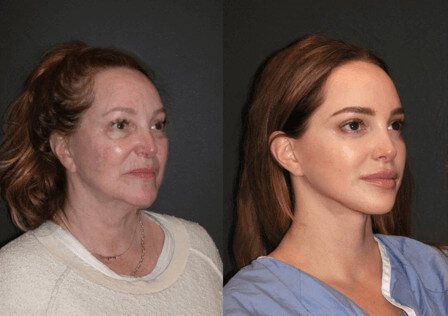
Almost every dramatic before-and-after you have seen for a face serum is doing something other than showing you the serum.
Different lighting. Different angle. Foundation in one and none in the other. Sometimes just a different day and a better night's sleep. Once you know what to look for it is very hard to unsee.
Which is a shame, because underneath the theatre there are four ingredients with real evidence behind them, and most people buying serums are not buying those.
What no serum does. Nothing sold over the counter reverses structural ageing, replaces sun protection, or produces the results of a clinical procedure. Anything promising to "erase" a decade is telling you something about its marketing department, not its formulation.
The four with actual evidence
Retinoids
The most studied class in the category by a wide margin. Vitamin A derivatives — retinol, retinaldehyde, and prescription tretinoin — have consistent evidence for fine lines, texture and pigmentation.
They also take three to six months to show a difference, cause irritation and peeling in the first weeks, and increase sun sensitivity. If a product contains a retinoid and promises results in a fortnight, one of those two things is wrong.
Vitamin C (L-ascorbic acid)
Good evidence for brightening and for evening out pigmentation, plus an antioxidant role that complements sunscreen.
It is also famously unstable. In a clear bottle, in the light, it oxidises — which is what has happened when a serum has turned orange-brown. Concentration and packaging matter more here than in any other category.
Niacinamide
The quiet one. Evidence for barrier function, redness, oil control and pigmentation, and it is unusually well tolerated — including by people who cannot get on with retinoids.
It is also cheap, which is why it appears at a token 2% in expensive products and at a useful 5% in inexpensive ones.
Peptides
The most oversold of the four. Some peptides have credible signalling effects in laboratory work; whether that translates through the skin barrier at cosmetic concentrations is much less certain.
Not useless. Not worth what the packaging typically asks for them either.

Concentration, formulation and packaging decide whether an ingredient does anything. The name on the front of the bottle decides almost nothing.
A realistic timeline
- Weeks 1–2
Hydration only
Skin looks plumper because it is holding more water. Genuine, immediate, and gone the moment you stop.
- Weeks 3–6
Texture and tone
The first changes worth photographing. Usually smoothness and evenness rather than lines.
- Months 2–3
Pigmentation
Sun spots and post-acne marks begin to fade if you are using vitamin C or a retinoid and — critically — daily SPF.
- Months 3–6
Fine lines
The slowest change and the one all the advertising leads with. Modest, real, and dependent on staying consistent.
How to read a label in thirty seconds
- Position in the list. Ingredients are ordered by quantity. Anything after the preservatives is present in trace amounts.
- Look for a stated percentage. "Contains niacinamide" and "5% niacinamide" are different products.
- Check the packaging. Vitamin C and retinoids need opaque, air-restricting containers. A clear dropper bottle is a red flag.
- Fewer actives, not more. A serum with four well-dosed ingredients beats one with twenty-six at a sprinkle each.
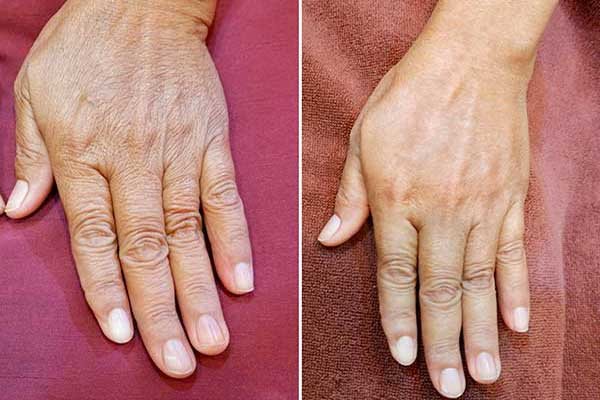
- Ignore the before-and-afters. Entirely. They are the least informative thing on the page.
The part nobody wants to hear

Sunscreen, worn daily, has more and better evidence for preventing visible skin ageing than any active in any serum. It is also the step people skip in winter, indoors, and on cloudy days.
A serum on top of daily SPF is a reasonable purchase. A serum instead of it is money spent undoing itself.
Sponsored — reader offer
Daily facial serum
Check the ingredient percentages and packaging on the product page before you decide.
View product detailsCosmetic product. Patch test before first use. Not a treatment for any skin condition.
Comments
Graham T. 2 days ago
Finally an article that says the retinol takes months. I gave up twice before someone told me that was normal.
Nadia K. 3 days ago
The clear-bottle point is a good one. Mine went orange within about six weeks and I had assumed that was just how it looked.
Denise R. 4 days ago
Sceptical of anything on a page with a discount button, but the ingredient section is accurate as far as I can tell and I work in a pharmacy.